
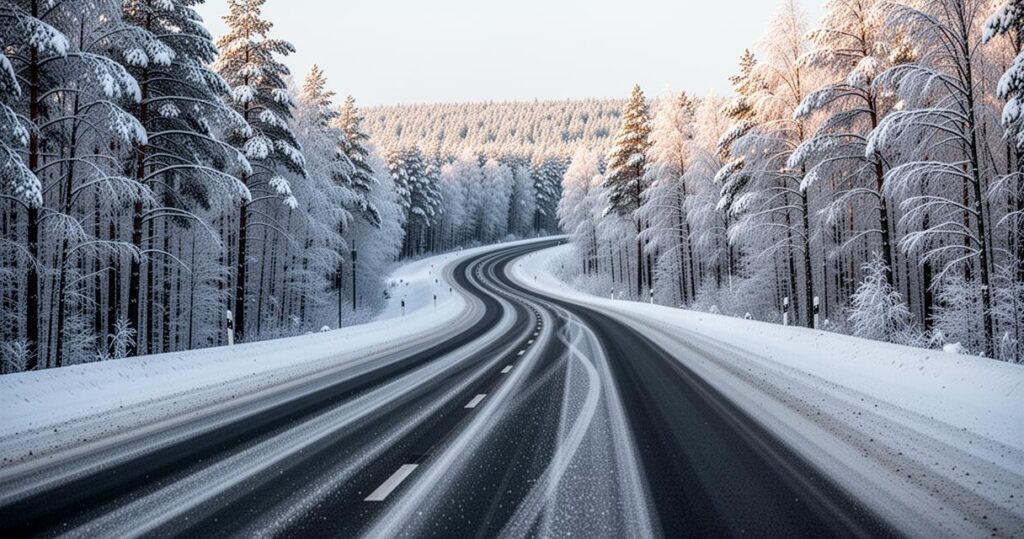
Every winter, roads across the United Kingdom are treated with vast quantities of gritting salt to keep drivers safe and the economy moving. Yet this familiar practice carries consequences that extend well beyond the tarmac, touching the soil, waterways and wildlife that surround our road network. Understanding both the necessity of winter road maintenance and its environmental footprint is essential for anyone concerned with sustainable infrastructure.
What to know
- Gritting salt is essential for UK road safety, preventing accidents and significant economic disruption during freezing conditions by lowering the freezing point of water.
- Modern winter maintenance utilizes advanced technologies like thermal mapping, GPS, and brine solutions to increase efficiency and reduce the overall quantity of salt spread.
- Excessive salt runoff can damage soil structure and displace vital nutrients, potentially hindering plant growth in areas adjacent to road networks.
- Increased salinity levels in groundwater and surface water pose significant risks to aquatic ecosystems, particularly threatening vulnerable species like amphibians.
- Highways authorities are increasingly exploring sustainable alternatives, including biodegradable de-icers, agricultural additives, and improved drainage systems to mitigate environmental harm.
- Balanced road management requires a combination of technological precision, careful planning, and infrastructure design to protect both public safety and the natural landscape.
How gritting salt keeps roads safe during winter conditions
The Role of De-Icing Salt in Preventing Accidents on UK Roads
When temperatures plummet and ice forms on the nation’s roads, de-icing measures become a matter of public safety. Road salt works by lowering the freezing point of water, preventing the formation of dangerous black ice and keeping surfaces passable for motorists, cyclists and pedestrians alike. It is widely regarded as the most cost-effective de-icing material available, and research has demonstrated that every pound invested in road safety through winter maintenance can generate a substantial economic return. An estimated 2 million tonnes of salt are used to grit UK roads each year, and without this intervention, the economic disruption caused by impassable roads and accidents would run into billions of pounds annually.
The scale of the UK’s road network makes this challenge particularly acute. In Wales alone, there are almost 22,000 miles of roads, and research suggests you are never more than 2.6 miles from a road anywhere in the country, a figure that underscores just how embedded road infrastructure is within the natural landscape. Councils and highways authorities must therefore plan their gritting operations carefully, balancing coverage with the responsible use of materials.
Spreading Methods and Best Practices for Effective Winter Gritting
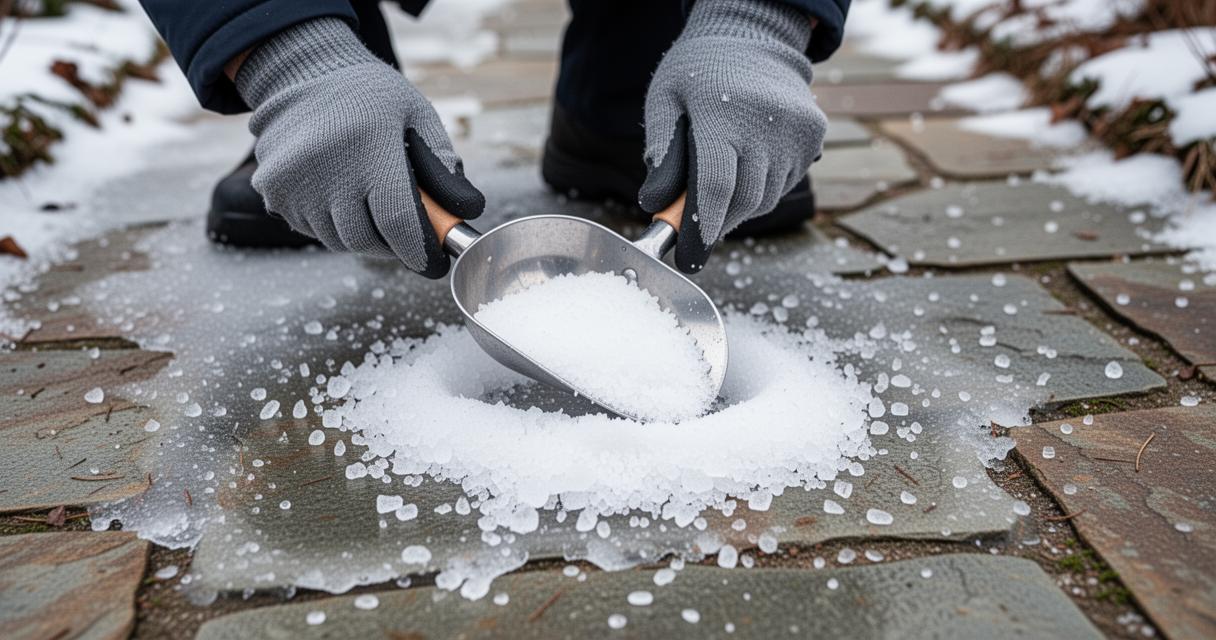
Modern gritting practice has evolved considerably beyond simply scattering rock salt across a road surface. Thermal mapping, GPS tracking and increasingly sophisticated logistics allow operators to target applications precisely, reducing waste and minimising environmental exposure. Brine solution (a pre-wetted or liquid salt application) lowers the freezing temperature whilst using a lower salt concentration than dry rock salt alone, making it a popular choice for pre-treatment before a frost event. Winter maintenance professionals also follow codes of good practice designed to ensure sensible salt usage, applying only what is necessary and at the right time.
The Environmental Impact of Gritting Salt on Soil and Waterways
How salt runoff affects soil health and local ecosystems
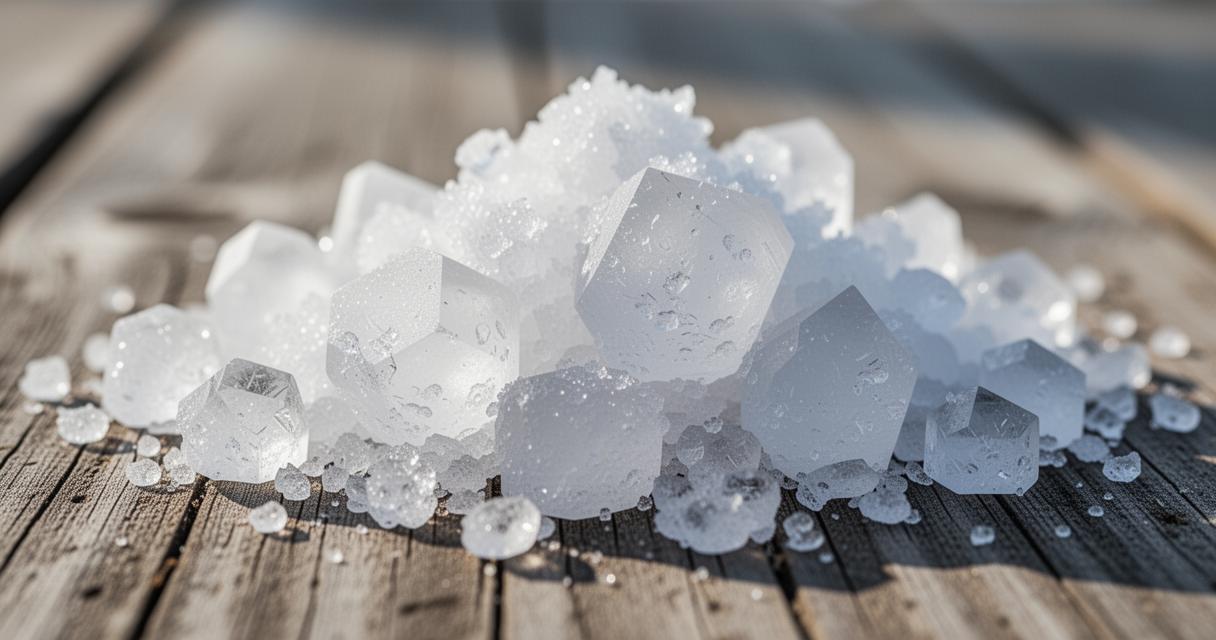
Despite its effectiveness on the road surface, salt runoff can have significant consequences for the surrounding environment. High sodium chloride concentrations are known to alter soil structure, affecting plant growth and displacing nutrients that vegetation depends upon. These impacts are, in most cases, localised to road verges and their immediate surroundings, but in areas of high road density or near sensitive habitats, the cumulative effect can be considerable. Researchers have highlighted that salt concentration in groundwater and surface water can rise following periods of heavy gritting, posing risks to aquatic ecosystems and the sensitive species that depend on them.
Amphibians are among the wildlife most vulnerable to changes in salinity. Rock salt can pose a particular threat to amphibian populations, especially in wetland areas alongside roads, where changes in water salinity can interfere with spawning. Groundwater contamination from salt infiltration is a further concern, with researchers noting that care must be taken to prevent salt from leaching into watercourses serving both wildlife and communities.
Responsible Gritting Approaches to Reduce Harm to Watercourses and Wildlife
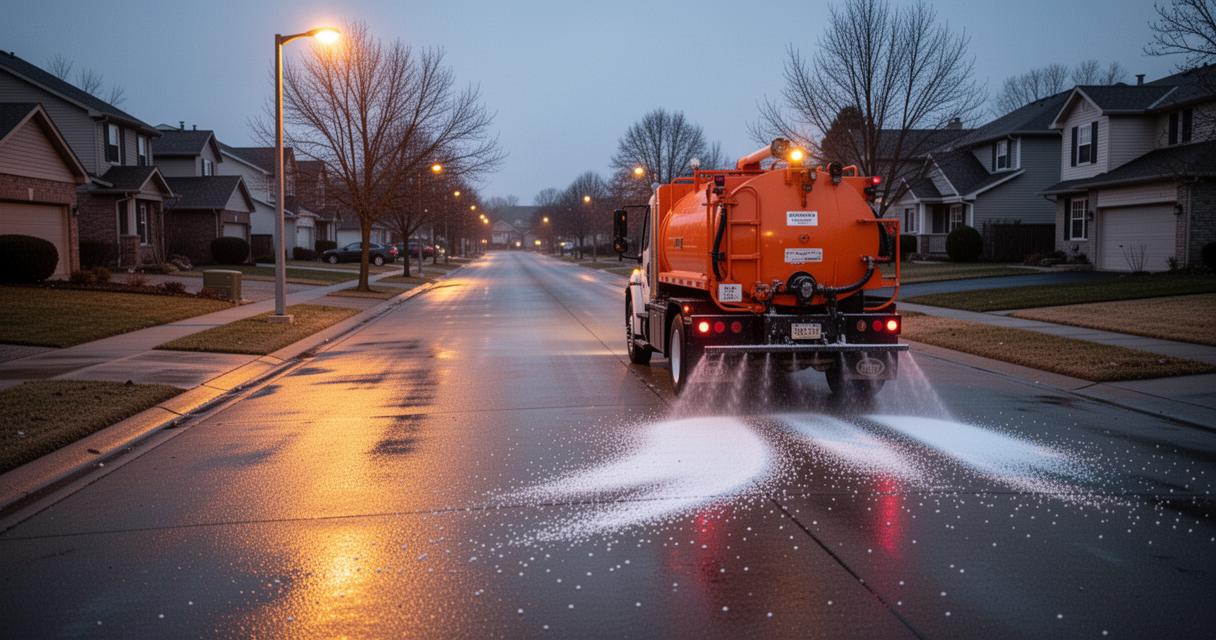
The challenge for highways authorities and gritting contractors is to maintain winter road safety whilst minimising harm to the natural environment. A range of alternative de-icers and supplementary materials are increasingly considered as part of a broader sustainable winter maintenance strategy. Biodegradable de-icing agents such as potassium acetate offer a less corrosive option, whilst materials like sand and gravel can improve traction control without contributing to salt loading in the environment. Some operators experiment with additives derived from agricultural by-products, which can enhance the performance of salt at lower temperatures and reduce the total quantity required.
Road design itself plays a role: surfaces and drainage systems engineered to direct runoff away from watercourses can meaningfully reduce the environmental impact of gritting operations. Road salt reduction initiatives, such as those trialled in various regions, demonstrate that targeted technology and training can lower overall usage without compromising safety. The key lies in treating de-icing not as a blunt instrument but as a carefully managed intervention, guided by local conditions, road design and an awareness of the ecosystems at stake. Sodium is among the most abundant elements on Earth and, when used responsibly and allowed to disperse naturally, its impact can be kept to a minimum, but responsible stewardship remains the cornerstone of any genuinely sustainable approach to winter road management.