
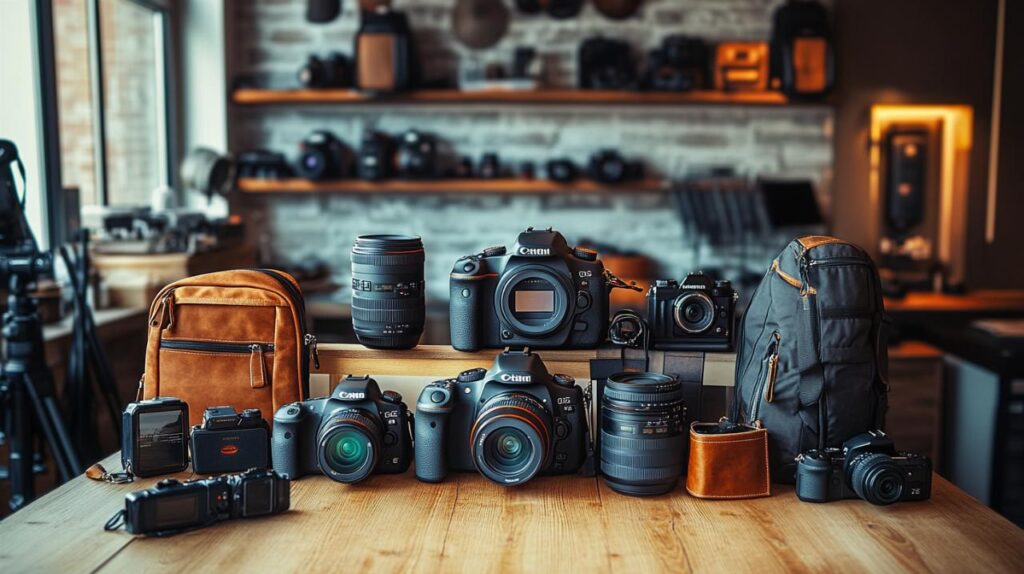
Choosing your first digital camera can feel like stepping into a new world filled with endless possibilities and technical terminology that might seem overwhelming at first glance. Whether you fancy capturing the beauty of the British countryside, documenting family gatherings, or exploring creative photography as a hobby, understanding what to look for will help you make an informed decision that suits both your needs and your budget. This guide aims to demystify the process and equip you with the knowledge necessary to select a camera that will grow with your skills and aspirations.
Understanding Camera Types and Their Best Uses
The digital camera market offers a variety of models designed to cater to different photography styles and skill levels. Recognising the distinctions between these types is essential before committing to a purchase. Point-and-shoot cameras remain popular for their compact size and automatic operation, making them ideal for casual snapshots and travel photography where portability is paramount. These devices typically feature non-interchangeable lenses and straightforward controls, allowing you to focus on capturing moments without worrying about technical adjustments. Bridge cameras occupy a middle ground, offering more manual control than point-and-shoot models whilst still maintaining a fixed lens system. They appeal to those who want greater creative input without the complexity of interchangeable lens systems.
Compact Cameras Versus Mirrorless Systems
Compact cameras have long been favoured for their convenience and ease of use, slipping effortlessly into a handbag or jacket pocket. However, mirrorless systems have rapidly gained traction among enthusiasts and professionals alike due to their impressive balance of portability and performance. Mirrorless cameras eliminate the traditional mirror mechanism found in DSLRs, resulting in lighter and more compact bodies whilst retaining the ability to swap lenses. This flexibility opens up a world of creative possibilities, from wide-angle landscapes to telephoto wildlife shots. Mirrorless technology is widely regarded as the future of digital photography, offering advanced features such as electronic viewfinders, faster autofocus, and superior video capabilities. For those serious about developing their craft, investing in a mirrorless system provides room for growth and experimentation. One useful resource for exploring a range of camera options can be found at https://www.kodak.gtcie.com/en/, where various models and accessories are available to suit different budgets and requirements.
DSLR Cameras and What Makes Them Different
Digital single-lens reflex cameras, commonly known as DSLRs, have been the gold standard for many photographers over the past two decades. Their distinctive look and robust build quality often appeal to those who appreciate a classic aesthetic combined with professional-grade performance. DSLRs utilise a mirror mechanism that reflects light from the lens up into an optical viewfinder, providing a direct view of the scene. This design contributes to their larger size and weight compared to mirrorless alternatives, but many photographers value the tactile experience and ergonomic design that DSLRs offer. Interchangeable lenses are a hallmark of DSLR systems, granting access to an extensive library of optics developed over decades. Whilst mirrorless cameras are often heralded as the future, DSLRs remain relevant and are frequently available at competitive prices, especially when considering refurbished cameras or older models that still deliver excellent image quality.
Essential Features to Consider When Making Your Purchase
Once you have settled on a camera type that aligns with your goals, attention should turn to the specific features that will influence your photographic results. Understanding the role of sensor size, megapixels, ISO capabilities, and lens quality will enable you to assess models more critically and avoid common pitfalls. Budget remains a crucial consideration, and it is wise to allocate funds not only for the camera body but also for essential accessories such as memory cards, batteries, tripods, and possibly a ring light or external microphone if you plan to explore vlogging equipment or video capabilities. Setting a realistic budget before shopping will help narrow your choices and prevent overspending on features you may not need immediately.
Sensor Size and Image Quality Explained
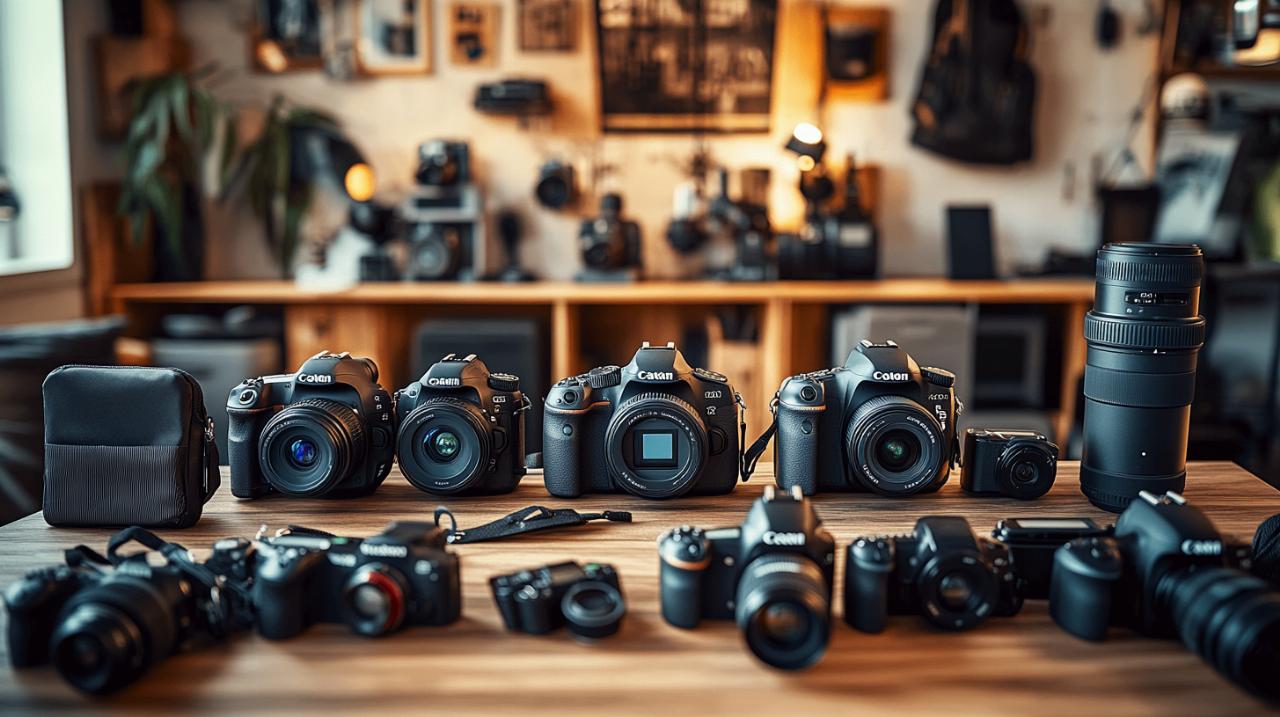
The sensor is the heart of any digital camera, capturing light and converting it into an image. Larger sensors generally produce superior image quality, particularly in challenging lighting conditions, because they gather more light and offer better control over depth of field. Full frame sensors match the dimensions of traditional 35mm film and are prized for their exceptional performance, though they tend to be found in higher-end models. APS-C sensors are smaller and represent a popular middle ground, delivering excellent results whilst keeping costs and camera size manageable. Four Thirds sensors are even more compact, often found in mirrorless systems designed for portability without sacrificing too much quality. Megapixels, which measure resolution, allow for larger prints and greater flexibility when cropping images. Modern cameras frequently boast impressive megapixel counts, with some models exceeding sixty megapixels, but it is worth noting that higher resolution is not always necessary for everyday photography. High ISO capabilities are equally important, as they determine how well a camera performs in low-light performance scenarios. Cameras with strong ISO ranges can capture clear images even when natural light is scarce, reducing the need for a built-in flash or external lighting.
Lens Compatibility and Future Upgrade Options
For those investing in a DSLR or mirrorless camera, lens quality is just as important as the camera body itself. A sharp, well-constructed lens can dramatically enhance image sharpness and overall visual impact. Kit lenses, which are often bundled with camera bodies, provide a solid starting point for beginners and typically cover a versatile focal range suitable for various subjects. As your skills develop, you may wish to explore interchangeable lenses tailored to specific genres such as portraiture, macro photography, or sports. Before committing to a camera system, research the availability and cost of additional lenses to ensure the platform supports your long-term aspirations. Some manufacturers offer extensive lens ecosystems with options for every conceivable need, whilst others may have more limited selections. Image stabilisation is another feature worth considering, as it helps reduce blur caused by camera shake, particularly when shooting handheld or in low light. Support for RAW file formats is essential for those who wish to retain maximum editing flexibility, as RAW files preserve more image data than compressed formats. Video capabilities have become increasingly important, with many cameras now offering 4K recording and support for an external microphone to improve audio quality. Wireless connectivity is a convenient feature for quickly transferring images to your smartphone or computer, and dual memory card slots provide added security by allowing simultaneous backups. Ergonomics and handling should not be overlooked either, as a camera that feels comfortable in your hands will encourage more frequent use and experimentation. Battery life varies significantly between models, so consider how long you plan to shoot before needing a recharge. Weight is another practical consideration, particularly if you intend to carry your camera for extended periods. Many retailers offer free delivery on orders above a certain threshold, and some provide extended returns policies, which can be reassuring when making such an investment. Secure payment options and responsive customer service further enhance the buying experience, ensuring you receive support should any issues arise. By carefully evaluating these factors and exploring trusted sources for both new and refurbished cameras, you will be well-prepared to select a digital camera that meets your creative ambitions and budget constraints.